
Apple Opens Up AI
2 min read
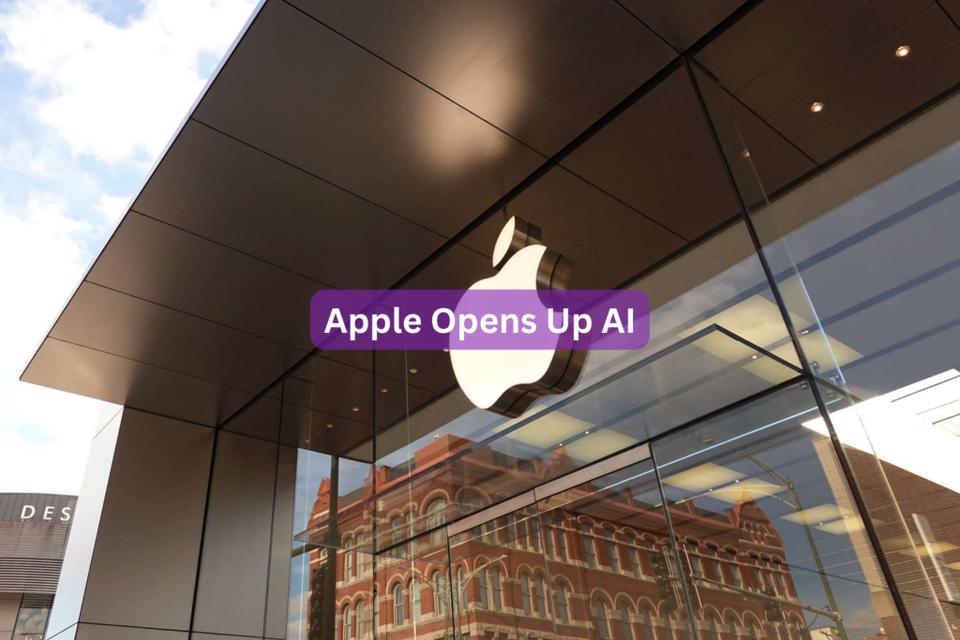
Apple is reportedly preparing one of its biggest shifts in years: letting users choose which AI models power features on the iPhone and other Apple devices.
Instead of relying solely on Apple’s own systems—or giving exclusive access to ChatGPT—future versions of Apple Intelligence may support multiple third-party AI models, including Gemini and Claude.
A Big Change for Apple
Traditionally, Apple keeps tight control over its ecosystem. Most features are carefully curated, with limited customization compared to platforms like Android.
That’s why this move is so surprising.
According to reports, upcoming versions of iOS, iPadOS, and macOS will introduce “Extensions,” allowing users to pick which AI handles tasks like writing assistance, image generation, and voice conversations.
In practice, this could mean using one AI model for creative writing, another for coding help, and a different one for everyday questions—all within Apple’s ecosystem.
Why Apple Is Doing This
The AI race is moving too fast for any one company to dominate every category. By opening the door to outside models, Apple can offer stronger AI experiences without building everything itself.
This also helps Apple stay competitive while keeping control of the user experience. The company would still manage how these tools integrate into its devices, even if the underlying AI comes from partners.
For companies like Google and Anthropic, integration with Apple devices could massively expand their reach.
The End of Exclusivity
One major consequence is that ChatGPT may lose its privileged position inside Apple Intelligence. Instead of being the default external AI option, it could simply become one choice among many.
That change could reshape how users interact with AI on iPhones. Rather than a single assistant handling everything, people may begin choosing AI tools the same way they choose apps or browsers.
A Different Future for the iPhone
This shift signals something bigger than just new features. Apple appears to be moving from an “all-in-one” AI strategy toward a platform model where multiple systems coexist.
If that happens, the iPhone could evolve from a tightly controlled experience into a more flexible AI hub—potentially changing how millions of people use artificial intelligence every day.


