Sonic Racing CrossWorlds Year Two adds Duel Mode, Super Slot and lower prices
5 min read
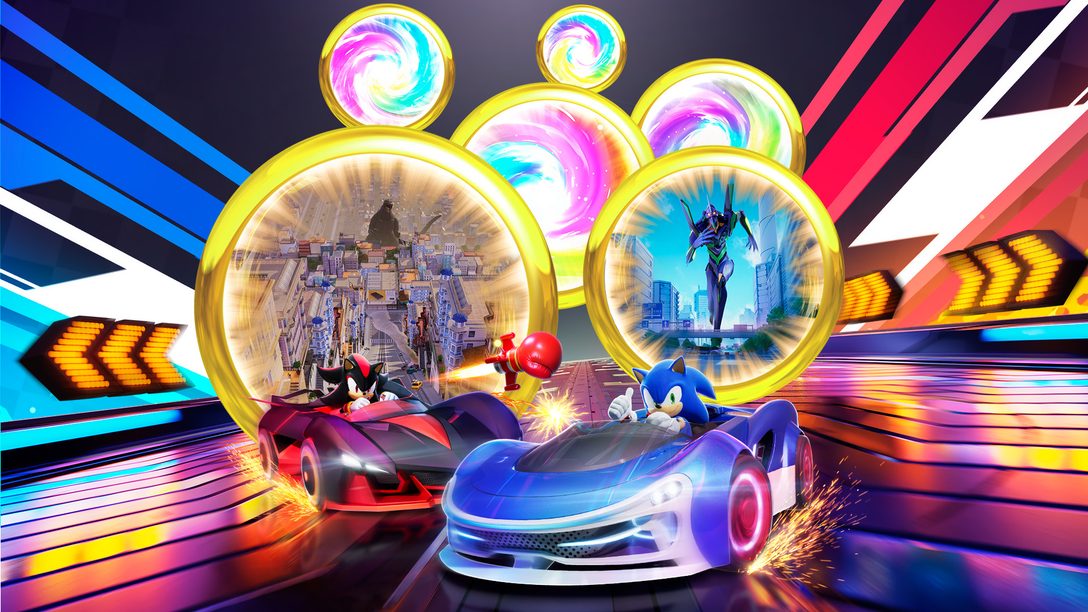
Image: SEGA / PlayStation Blog
Sonic Racing: CrossWorlds started Year Two on November 3 with a new one-on-one mode, another layer of Gadget customisation and a lower price of entry. Sega’s update gives existing players reasons to revisit their racing setups while offering newcomers a different moment to consider joining.
The most interesting change is the smaller contest. A race against one opponent asks different questions from a crowded field, particularly when deciding whether to use an item immediately or save it for a more useful moment. That creates room for a familiar racer to feel different without needing to replace its basic appeal.
What is new in Year Two
Duel Mode introduces one-on-one racing alongside the usual 12-player competition. The new Super Slot accepts a one-slot Gadget and strengthens its effect. Sega also revealed the Sega Consoles Pack, with vehicles inspired by Dreamcast, Genesis and Saturn, as a bonus for Year Two Digital Deluxe Edition and Season Pass Two.
The announcement sets the Standard Edition’s new US price at $39.99. Digital Deluxe and Year Two Digital Deluxe are each $59.99. These are the published US prices; check your own storefront for the currency, taxes and edition offered to your account.
The hardware-inspired vehicles use recognisable shapes, colours and details from Sega’s consoles. They are a playful addition to a racing game built around customisation, but their inclusion in particular packages makes it worth reading the contents of an edition before buying it.
Why a duel changes the racing conversation
In a crowded race, several rivals can influence the same moment. In a duel, attention can remain on one opponent for longer. Our reading of the new format is that it should make individual decisions easier to identify: where you gained ground, where you lost it and whether an item was used at a useful time.
That does not mean every duel will be predictable or that the fastest-looking setup will always win. It means the feedback is potentially clearer. If you repeatedly lose time at the same corner, there are fewer other racers to blame before considering whether your own approach needs work.
For friends learning together, try discussing one turning point after a race. Ask what each person noticed and what they were trying to do. Comparing those perspectives can reveal a missed opportunity more effectively than simply declaring that one player had better luck.
Avoid turning the new mode into a verdict on your overall ability after a single result. A small sample can flatter a good decision or punish an otherwise reasonable one. A series of races offers a better chance to see whether an adjustment is helping consistently.
What the Super Slot adds to customisation
CrossWorlds already uses Gadgets as pre-race perks that can be combined. Sega’s original gameplay explanation says stronger Gadgets can require more slots, making the choice of equipment part of preparation rather than a purely cosmetic preference. The Year Two addition sits on top of that existing system.
A useful way to approach a new slot is to start with a problem you want to solve. Are you trying to make a familiar setup more consistent, experiment with a different style or strengthen something you already do well? That question gives a comparison more meaning than selecting an option simply because it looks impressive.
Change one variable and race again under similar conditions. If you swap several parts of the setup at once, an improvement becomes harder to explain. You may enjoy the result, but you will learn less about which choice produced it.
Also separate personal comfort from broad claims about the best build. A setup that suits your timing and habits can be a good choice even if another player prefers something else. Until there is reliable evidence across different tracks and opponents, a confident universal ranking would be premature.
Travel Rings remain part of the wider appeal
For newcomers, the original CrossWorlds design includes Travel Rings that move a race into another setting. Sega’s gameplay reveal explains that the leading racer chooses the destination for the second lap. Tracks also move across land, sea and air, so adapting to a changing course is part of the established experience.
That background helps explain why customisation is worth exploring. You are preparing for more than a single uninterrupted stretch of road. Learning how you respond to transitions and unfamiliar sections can be as useful as memorising a favourite corner.
If you are returning after a break, give yourself a few races to regain familiarity before deciding that the new content requires a complete rebuild. An old setup may still be a useful reference point. Knowing how it feels now makes later experiments easier to judge.
The new mode and customisation option can therefore serve different purposes. One can help you focus on a direct rivalry, while the other encourages tinkering before the starting line. Neither needs to be treated as homework; choose whichever makes the next session more enjoyable.
Read the edition names carefully
The similar names of Digital Deluxe and Year Two Digital Deluxe deserve attention. An identical displayed price does not establish that two bundles contain the same items. Compare the included passes and bonuses directly, particularly if you already own the base game or content from its earlier period.
Make a short list of the additions you actually want. Then compare the relevant upgrade or bundle against that list. Buying a large package because it appears to represent better value can still be unnecessary if most of its contents are things you will never use.
For Nigerian readers, avoid treating the dollar announcement as a naira price quote. Store region, payment method and conversion charges can affect what you ultimately pay. Use the final amount shown through your own purchase route rather than multiplying the headline price and assuming the result is exact.
Existing owners should first inspect what the update has already made available to them. A content announcement often places gameplay changes and paid packages beside each other, but those are separate purchase questions. The store’s inclusion list is the place to resolve a particular entitlement.
A practical first session
Start by checking the new menus, then take a familiar setup into a few races. If you want to explore the changes methodically, try the duel format first and leave the rest of your setup alone. Afterwards, experiment with a Gadget choice and compare how the decision affects your own play.
Year Two offers both a fresh competitive format and a reason to revisit customisation. The lower entry price may draw attention, but the lasting question is whether the new choices give you races you want to repeat. That is something best judged through a few focused sessions rather than the size of the announcement alone.
Sources: SEGA’s Year Two announcement · SEGA’s original gameplay explanation