The Elder Scrolls VI is officially Sentinel: what Bethesda revealed and what remains unknown
5 min read
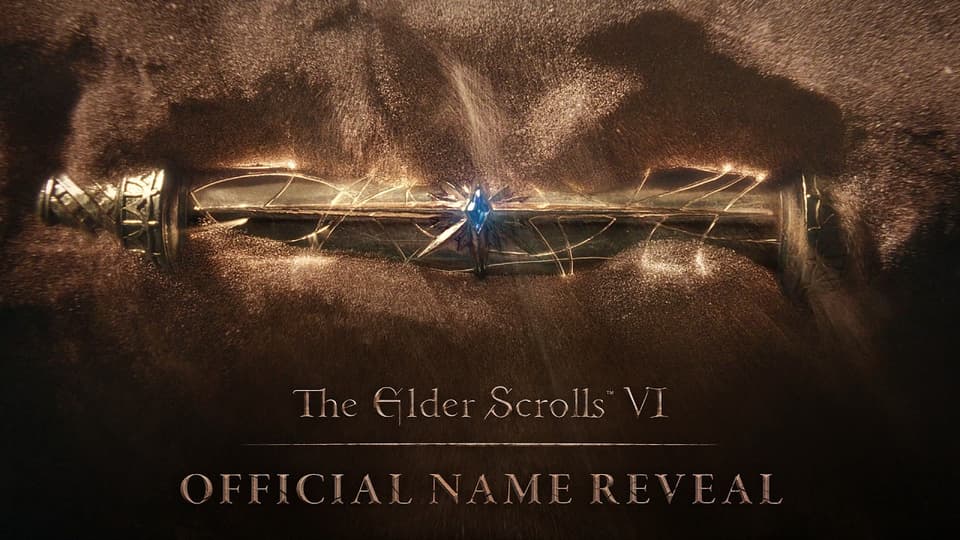
Image: Bethesda Softworks — official name-reveal artwork
The Elder Scrolls VI finally has a full title: The Elder Scrolls VI: Sentinel. Bethesda unveiled the name during its 40th-anniversary celebrations on November 3, giving the long-awaited role-playing game a more specific identity after years of being discussed simply as the next numbered Elder Scrolls.
There is still no official release date. The announcement is a meaningful update, but its significance lies in the name and the direction of the reveal rather than a promise that players will soon be exploring the finished game. For fans following every development, separating those two things is the best way to understand what has changed.
What the announcement establishes
Xbox’s official news page links directly to Bethesda’s name-reveal video. Reporting on the anniversary presentation identifies the subtitle as Sentinel, with the teaser pointing toward Hammerfell. Bethesda’s subsequent message says development continues and that more information will take time.
Game*Spark also reports that the teaser includes the year 4E 206. That is a fictional chronology marker, not a release window. Treating it as a clue to the setting is reasonable; turning it into a detailed account of the plot would go beyond what has been explained.
The studio has not accompanied this reveal with a complete platform list, a price or a launch date. Those remain separate announcements to watch for. A title card can settle what a game is called while leaving most practical buying questions unanswered.
Why a name matters after such a long wait
A numbered sequel is an unusually broad promise. Players can fill it with their own ideas about the world, the character they want to create and the systems they hope will return. A subtitle narrows the conversation by giving everyone a common reference point, even before substantial gameplay arrives.
That can be valuable for the developer as well as the audience. Future announcements now have an identity to build around. Artwork, interviews and eventual demonstrations can connect to something more concrete than a number, helping the project develop its own character rather than existing only as the successor to another game.
For readers, the useful response is curiosity rather than a complete set of expectations. The title invites questions about the place, the people and the conflicts the game might explore. It does not automatically answer how large the world will be, how progression will work or which activities will occupy most of a playthrough.
Those distinctions are especially important for a series that encourages personal stories. Two fans can want very different things from the same RPG: one may care about wandering and discovery, another about factions, and another about combat or character building. A name reveal cannot yet tell each of those players how well their priorities will be served.
Read the setting clues without inventing the game
The Hammerfell connection is the obvious subject for discussion around the teaser. However, a geographical reference and a complete description of a playable world are different kinds of information. The reveal does not establish that every location associated with that region will be accessible.
The same caution applies to scale. A city name, regional reference or dramatic landscape does not tell us the number of settlements, the amount of explorable terrain or the balance between wilderness and urban areas. Those details need a map, a developer explanation or actual gameplay before they can be reported confidently.
There is plenty of room for speculation as long as it is labelled. A reader might hope for more political intrigue, different travel options or a stronger emphasis on particular cultures. Those are interesting wishes to discuss, but they should remain wishes until Bethesda explains the systems and story.
This distinction need not make the reveal less exciting. It simply keeps the excitement attached to what is actually there. A teaser works by suggesting possibilities; a good news report should preserve that sense of possibility without presenting a fan theory as a feature list.
The release-window reports need a separate label
Game*Spark reports that Bloomberg journalist Jason Schreier says the game remains more than two years away, describing that statement as knowledge of the development target rather than a prediction. That is reporting about an internal timeframe, not an announced launch commitment from Bethesda.
For anyone planning purchases or time off, the distinction is practical. An internal target can change, and even a well-sourced report does not provide the same information as an official release announcement. There is no reason to turn the reported timeframe into a precise calendar date.
Bethesda’s own message is more limited: development is continuing, and further information will not arrive immediately. That leaves the project’s next public milestone uncertain. It also means the anniversary reveal should be judged on what it delivers now rather than on an imagined schedule of trailers that might follow.
What the next useful update would show
The most informative next step would be a demonstration that explains the player’s ordinary experience. How does exploration lead into a quest? How does a conversation become a decision? What does a typical fight ask the player to notice? Those examples reveal more than a list of ambitious promises.
A longer gameplay sequence would also help distinguish presentation from interaction. Seeing a striking location is one thing; watching a player move through it, make choices and deal with consequences answers a different set of questions. Both can be enjoyable, but they serve different purposes.
Technical information will matter later too. Performance targets, supported hardware and accessibility options are relevant to whether a player can enjoy the game comfortably. None should be guessed from a short teaser, and none needs to be settled for the name reveal to count as genuine news.
For now, the sensible checklist is short: remember the confirmed title, follow the official channels and keep reported information separate from announced features. There is no preorder decision to make on the strength of this announcement alone.
A clearer identity, with the larger reveal still ahead
Sentinel gives the next Elder Scrolls a name that future coverage can use consistently. That is a real development for a project whose public identity has remained unusually sparse. The anniversary context also explains why Bethesda chose to share something without presenting a full launch campaign.
The most useful way to follow what comes next is to let each new piece of evidence answer its own question. A name answers identity; gameplay answers interaction; a release announcement answers timing. Combining them prematurely is how expectations become detached from the information available.
Fans can enjoy the reveal and discuss its possibilities while leaving those unanswered questions open. Bethesda has provided a new starting point for the conversation. The next substantial update will need to show what playing Sentinel actually means.
Sources: Official name-reveal video · Bethesda’s follow-up and reporting · Xbox’s official news index