How Sucker Punch Brought Jin Sakai Back for Ghost of Yōtei: Most Wanted
5 min read
Sucker Punch explains an unlikely comeback
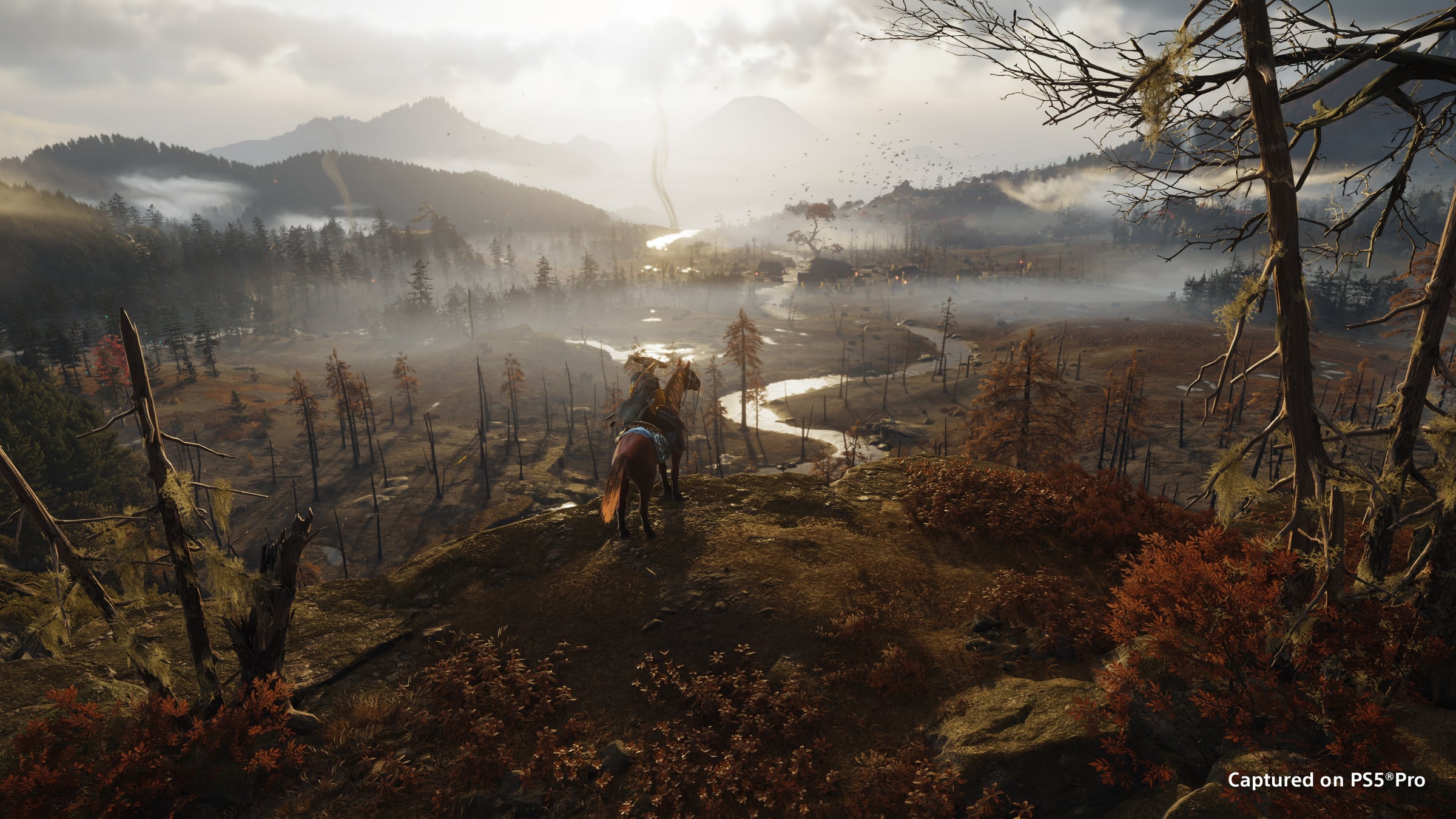
Jin Sakai has returned as a playable character in Ghost of Yōtei: Most Wanted, and Sucker Punch Productions has published a detailed account of what it took to make that return possible. The November 4, 2026 PlayStation Blog feature is not an announcement of a new standalone Jin Sakai campaign. It is a behind-the-scenes look at a character who already joined the single-player survival mode through Ghost of Yōtei Complete Edition. That distinction is important for readers who might see the familiar Ghost of Tsushima hero in promotional material and assume another full-length adventure has been revealed. What the studio actually describes is an extensive effort to recreate his combat, animations, voice and appearance inside a different game’s systems.
Why Most Wanted suited Jin
Most Wanted is designed around repeatable combat challenges rather than a conventional story journey. Players select bounties, progress through encounters and develop a build with perks and upgrades. Sucker Punch describes its early design as a class-based roguelike approach intended to let players explore Ghost of Yōtei’s combat from several perspectives. The mode has four playable characters, each with different strengths and options. Jin was a compelling candidate because his established fighting style could provide a contrast with Atsu’s approach, but that also created a problem: bringing back a familiar hero without his distinctive techniques would feel incomplete. The developers say an early playtest convinced them that a limited implementation would not deliver what players expected.
More than 60 attacks needed adaptation
One of the largest technical challenges was combat animation. Sucker Punch says more than 60 of Jin’s attack animations, many with their own finishing movements, had to be retargeted to a new character rig, adjusted and balanced for Yōtei. That is a more involved task than importing an old animation file and pressing play. The underlying combat system had changed, so attacks that worked in Ghost of Tsushima did not necessarily fit the new game’s timing, defensive options or enemy behaviour. The studio gives Stone Stance’s Piercing Strike as an example of an attack that was too effective before balancing. It also created custom movement animations for each stance so Jin could work with the newer Focus Attack system. The goal was to preserve recognisable moves without letting them break the challenge of Most Wanted.
Four stances and a different approach to parrying
Jin’s four sword stances return, as do signature abilities associated with his original game. But their inclusion alone would not make him play authentically. Sucker Punch also adjusted perks to recreate the rhythm of his defensive play. The studio points out that Ghost of Tsushima did not distinguish between Parry Deflect and Parry Interrupt in the way Yōtei does. A Most Wanted perk called Rattling Parry increases stagger damage from successful parries, making interruptions more likely and bringing the feel closer to Jin’s original style. Other perks reward carefully timed parries and transitions between his sword techniques and quick-use tools. This is where the mode’s build system becomes relevant: players can experiment with combinations rather than simply selecting a character skin with different voice lines.
His appearance had to match a newer game
Character art presented another challenge. Jin was originally built for the PS4-era Ghost of Tsushima, while Ghost of Yōtei uses a newer visual pipeline. The artists wanted his armour, face and clothing to sit naturally alongside Yōtei’s characters without losing the look players remembered. According to the PlayStation Blog, the team reused existing material as a reference and refined the details, including fabric, metal, facial textures and hair. The intention was not to redesign Jin into a different person. It was to preserve his silhouette and recognisable details while bringing them to a newer level of fidelity. The character selection screen also incorporates a reference to a quiet moment from Ghost of Tsushima, demonstrating how much of the work extended beyond attacks.
Audio and the return of Daisuke Tsuji
The developers also rebuilt parts of Jin’s sound presentation. Movement sounds had to be adapted to the newer animation tagging system, so the audio team revisited effects associated with his armour and actions. His musical identity received attention too, including a new interpretation of his theme with lap steel guitar. Most notably, Daisuke Tsuji returned to voice Jin. Sucker Punch says the actor recorded new material for the mode, including interactions with members of the Yōtei Six. The return of the original performer matters because the character’s identity is not conveyed only through clothing and combat. Familiar delivery and reactions help connect this appearance to the earlier adventure.
What players actually get in Most Wanted
In practical terms, Most Wanted is a single-player survival mode included with Ghost of Yōtei Complete Edition. Players work through bounties, earn upgrades and take on increasingly difficult challenges. Jin is one of four characters, alongside Atsu, Oyuki and Nagato. His toolkit draws on his original stances and signature techniques, while the mode’s progression encourages repeated runs and experimentation. It should not be mistaken for a multiplayer expansion, and it is not a remake of Ghost of Tsushima. The new developer article gives context for content that became available with the Complete Edition in October, rather than announcing a November launch.
The relationship with Echoes of Sekigahara
Ghost of Yōtei Complete Edition also includes Echoes of Sekigahara, a separate narrative expansion. The two additions serve different purposes. Most Wanted concentrates on replayable combat and characters; Echoes expands Atsu’s story through events in her past and present. Existing owners were offered a Complete Edition upgrade, while newcomers could buy the full package. Readers should check their own edition and store listing before purchasing, because owning the original base game does not automatically mean all Complete Edition content is included. Sucker Punch’s November article is especially useful to people who already have access to Most Wanted and want to understand why Jin feels the way he does.
Why the developer breakdown is worth reading
There is a tendency to describe returning characters as straightforward nostalgia. This case shows how much design work can sit behind a familiar face. Sucker Punch’s developers describe a process that required changes across combat design, animation, character art, sound and performance. Those details explain why simply bringing back an old hero is not necessarily simple when the surrounding game has changed. Players who have already tried Jin can compare the team’s intentions with their own experience. Those who have not played the mode can make a clearer decision about whether its replayable challenges appeal to them. The November 4 post does not announce another Ghost of Tsushima sequel; it explains the work behind a playable return that is already available.
Sources
Primary source: Sucker Punch Productions’ November 4, 2026 PlayStation Blog developer feature, https://blog.playstation.com/2026/11/04/bringing-jin-sakai-back-to-life-for-ghost-of-yotei-most-wanted . Background on the Complete Edition and original announcement: https://blog.playstation.com/2026/09/03/jin-sakai-returns-in-ghost-of-yotei-most-wanted .