Petit Planet launches December 4 on PC and mobile, with Switch 2 coming in 2027
5 min read
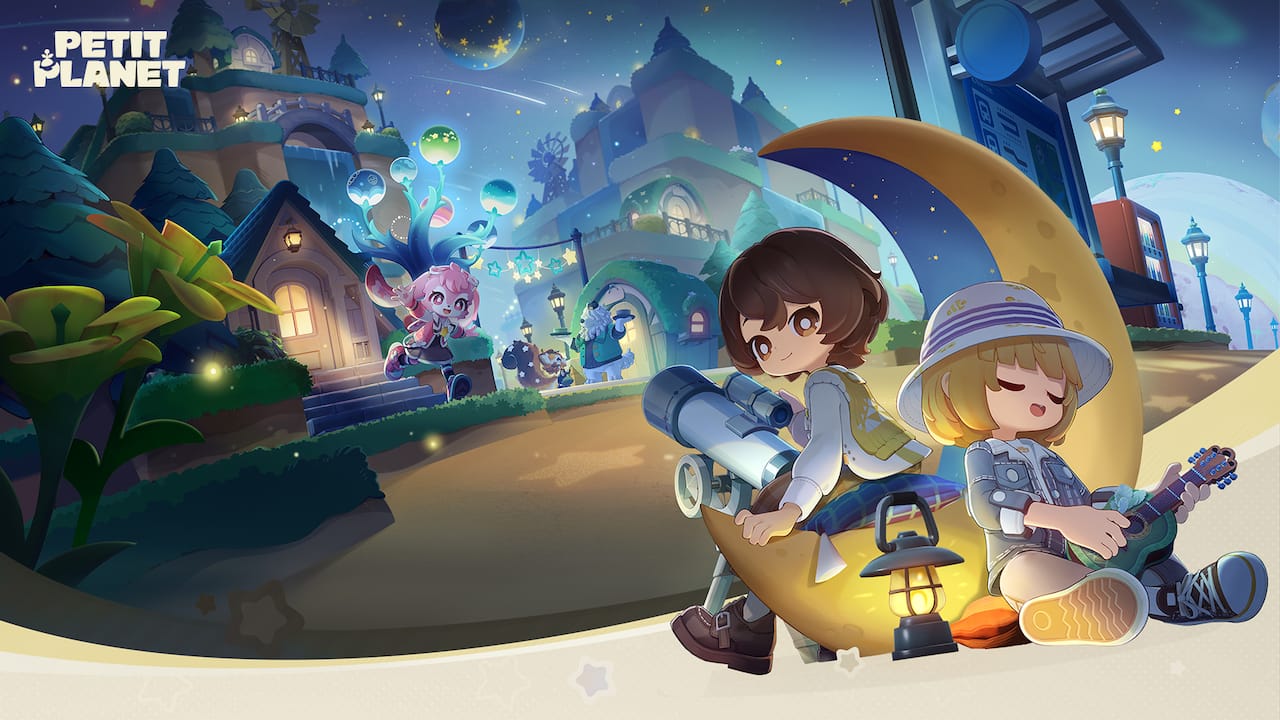
Image: HoYoverse.
Petit Planet is heading to PC, iOS and Android on December 4, 2026, while a newly announced Nintendo Switch 2 version is planned for 2027. The dates describe separate releases. Nintendo players should not read the December launch trailer as confirmation that their version arrives at the same time.
HoYoverse’s official website carries the December 4 announcement, and the Epic Games Store listing gives the same PC date. Nintendo Everything reports that the Switch 2 edition has a 2027 window, with no exact date announced.
For a game built around settling into a little world of your own, that platform split is the first practical detail to get right. You can plan around December on PC or mobile. If you specifically want to play on Nintendo’s console, the wait is longer and the calendar is less precise.
A little planet with room for a routine
Petit Planet is a free-to-play life simulation game. HoYoverse’s published overview describes customising a home and shaping a planet’s landscape, coastline and skies. Players meet fuzzy Neighbors, learn their stories and build relationships through everyday interactions. Farming, fishing, catching bugs, beachcombing and cooking sit alongside trips into the Starsea and visits to a social hub called the Galactic Bazaar.
The appeal is easy to understand: a manageable space that gradually reflects your choices. A home feels different when the path to its door, the furniture inside and the people nearby all connect to decisions you made. That kind of ownership can be more motivating than a conventional mission list.
The question is how much freedom the finished game provides between those activities. A relaxed presentation does not automatically create a relaxed pace. The important thing will be whether players can spend an evening decorating, exploring or chatting without feeling that they have neglected a more urgent checklist elsewhere.
This is not a review of the launch version. It is the main design test suggested by the premise: can the game make small routines feel personally meaningful over time?
Neighbors need more than a charming design
Animal-like companions give a life sim an immediate visual identity, but relationships become interesting when there is something to discover after the introduction. Distinct reactions, changing conversations and small surprises can make a familiar place feel inhabited.
HoYoverse is presenting the Neighbors as characters with individual stories. How those stories unfold will matter more than the number of faces in a promotional image. A compact cast with memorable interactions can be more engaging than a much larger one whose conversations feel interchangeable.
For players deciding whether this is their kind of game, longer footage of an ordinary day may be more useful than a fast trailer. Watch a conversation from start to finish. Look at how an errand begins and what happens when it ends. Those quiet moments are likely to occupy far more playtime than the most elaborate promotional scene.
It is also worth considering what you enjoy in a social simulation. Some players want a predictable routine; others want unexpected encounters. Knowing which side appeals to you helps separate an attractive setting from a game you will actually want to revisit.
Exploration gives home life a contrast
Travelling away from a personal space can make returning to it more satisfying. A new material, a decorative idea or an encounter elsewhere can provide a reason to rethink something at home. The balance works best when exploration feeds creativity without making every outing feel compulsory.
Petit Planet’s Starsea premise gives the designers room to vary the places players visit. The finished game will need to turn that promise into meaningful differences between destinations. A different sky colour is pleasant, but a new way to interact with a place would give exploration more weight.
For a first session, a useful approach is to try a little of each major activity before deciding on a project. You might discover that arranging outdoor spaces is more enjoyable than perfecting a room, or that collecting ingredients is what gives your visits direction. There is no need to copy somebody else’s ideal routine immediately.
The social hub raises a separate question: how comfortable is it to join other people? A welcoming communal space should make its activities understandable, including what can be shared and what remains personal. Those details deserve attention in launch guides because a busy hub and a private home serve different moods.
Free download does not mean no purchases
The Epic listing identifies Petit Planet as free and flags in-game purchases, including random items. It also lists cross-platform features, while its PC hardware requirements were still marked to be determined when checked. Those are store disclosures, not evidence that every device will run the game equally well or that every account feature works identically across platforms.
For anyone trying the game without a spending plan, start by learning what ordinary play provides. Understand the currencies and the purpose of an item before purchasing it. A decoration that looks appealing in isolation may not suit the space you eventually decide to build.
Players moving between devices should also read the official account instructions before making progress on multiple profiles. The presence of several platforms alone is not enough to establish every detail of save transfer, purchases or future console access. Waiting for explicit guidance is simpler than trying to untangle two separate starts later.
What the Switch 2 announcement changes
The Nintendo version broadens the eventual audience, but it does not yet give console players a launch day to book. If your preferred way to play is on a handheld console, it is reasonable to wait for information about that version’s controls, performance and release timing.
PC and mobile players have a more immediate choice. December 4 offers a chance to see whether the game’s mix of personal space, neighbors and exploration holds together in everyday play. The strongest evidence will come from ordinary sessions rather than idealised homes shown in promotional material.
Keep the two dates separate: December 4, 2026 for PC and mobile, and 2027 for Switch 2. The next useful announcement for Nintendo players will be a specific release date and details of how that edition fits into the wider game.