Crimson Desert: Charting the Unknown is out, adding ocean exploration and new stories
5 min read
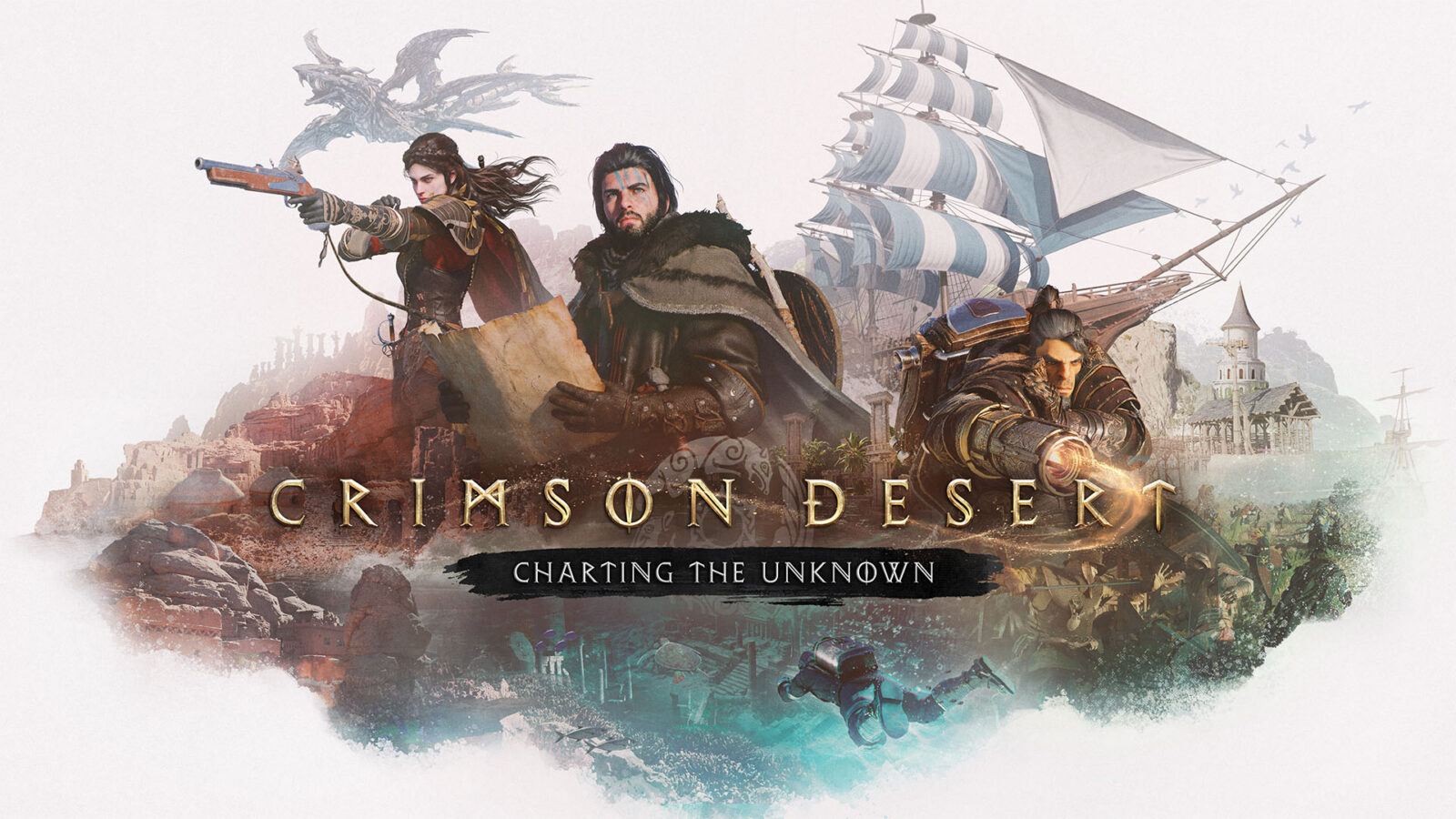
Image: Pearl Abyss.
Crimson Desert’s Charting the Unknown expansion is available, adding ocean exploration, new character stories and more ways to settle into Pywel. Pearl Abyss released the DLC on October 29, 2026. Its Xbox Wire launch article describes a broader adventure built around Kliff, Oongka and Damiane, with underwater discoveries, ships, relationships, housing and new combat challenges.
This is a DLC release, separate from the free Enhanced update issued in August. That distinction matters when checking a store page or reading a feature list. An updated base game and ownership of an expansion are different things.
The attraction is the range of activities. You can pursue additional stories and battles, but the announcement also puts considerable weight on building a home, managing places and spending time with people. It gives returning players several possible reasons to revisit the world.
Check your story progress first
Pearl Abyss’s official prerequisites guide explains that the three character storylines and Garden of Trials require completion of the main story. The ocean questline becomes available after Howling Hill. Underwater diving itself has no special prerequisite, but breath is limited; suitable items or equipment can extend a dive.
Housing requires the camp setup and Luke’s Request. Castle ownership comes later, after the main story and relevant liberation quests. Business management depends on camp progress and freeing the relevant region. These requirements mean the expansion does not present every activity to every save immediately.
For a returning player, the most useful first step is therefore opening the journal. Find the point where you left the main story and identify which requirement sits between you and the activity you want. That is more efficient than wandering around looking for a feature that your current progress has not unlocked.
A new player can take the same information as a guide to expectations. Buying an expansion does not necessarily make its later-game challenges a suitable starting point. There is room to learn the original adventure before worrying about the complete list of additions.
The ocean changes the shape of exploration
Open-world exploration feels different when the horizon becomes a route. Water can separate destinations, conceal points of interest and make the journey itself part of the decision. An ocean expansion has an opportunity to make travel feel less like moving between markers and more like choosing a direction.
The important test is what happens between the obvious destinations. A good voyage needs more than a distant landmark. Changes in scenery, worthwhile discoveries and decisions about when to continue can make a long trip engaging. Without those elements, distance can become empty time.
Underwater spaces create another kind of pressure. Limited breath gives a player a reason to read the surroundings and think about the return journey. The challenge is not simply reaching something interesting; it is leaving enough room to get back safely.
For a first dive, favour observation over an ambitious sweep of every visible object. Learn how quickly your available time changes and how clearly you can recognise the route out. That is general exploration advice, rather than a claim about a particular treasure route or hidden reward in the expansion.
A home gives the world a centre
The launch article describes building a house from the ground up, decorating liberated castles and managing facilities such as a restaurant or smithy. Relationships can develop into romance and marriage. These additions give players goals that are less directly tied to defeating an enemy.
The strongest version of this idea is a world where an expedition gives you a reason to return home, and home gives you a reason to head out again. A useful material, a furnishing or a character interaction can connect activities that might otherwise feel unrelated.
For someone who already enjoys wandering through Pywel, that could make familiar places more meaningful. A building stops being scenery when the player has made decisions about it. A settlement becomes more memorable when returning to it has a purpose beyond collecting another quest.
Whether those systems appeal will depend on how you like to play. A player interested mainly in combat may spend little time arranging rooms. Someone who enjoys making a place feel personal may treat the same feature as a major reason to return. The expansion’s value is likely to vary with that preference.
New stories and repeatable combat serve different goals
Character stories offer a reason to follow events in a particular order. A boss-focused challenge asks for something else: familiarity, preparation and the willingness to improve through repeated attempts. It is worth deciding which kind of session you want before beginning.
If you are coming back after a long break, spend some time recovering your feel for the controls before entering the most demanding content available. Remembering an old build is not the same as being comfortable with it again. A shorter, familiar encounter can reveal what you have forgotten without turning the return into a frustrating evening.
For story-focused players, check which character’s thread you are following and avoid treating all new journal entries as interchangeable errands. A slower approach can help the additions feel like a continuation of an adventure rather than a backlog of icons to clear.
Neither approach needs to be the correct one for everyone. The advantage of a broad expansion is the ability to choose a starting point that matches the reason you returned.
What to check before installing
Confirm the edition and platform of the product you intend to use, then review the current installation requirements on that store. A promotional description can explain the content without answering every question about an existing license, available storage or a particular device.
The same care applies to trial offers. A trial of the base adventure should not be treated as proof that every expansion feature is included. Read the terms attached to the offer itself and keep that separate from the DLC announcement.
For existing players, the clearest route back is to choose one goal, check its prerequisite and build the session around it. That might be an ocean voyage, a character story or a home project. Charting the Unknown is available now, but there is no need to tackle its entire feature list in one visit to Pywel.